
Dental implants have revolutionized modern dentistry, giving patients a trusted solution for missing teeth. It’s assumed implants are a single piece, yet they are composed of more than one element working in tandem. Surprisingly, each is specialized in restoring bite, appearance, and confidence.
Patients might underestimate the science and strength behind implants without realizing these facts. This blog explains each element so you can understand how implants deliver smile restoration effectively.
What Is a Dental Implant?
Dental implants are advanced restorations that replace missing teeth with unparalleled precision. Unlike bridges, implants are directly implanted into bone and replicate a natural tooth shape convincingly.
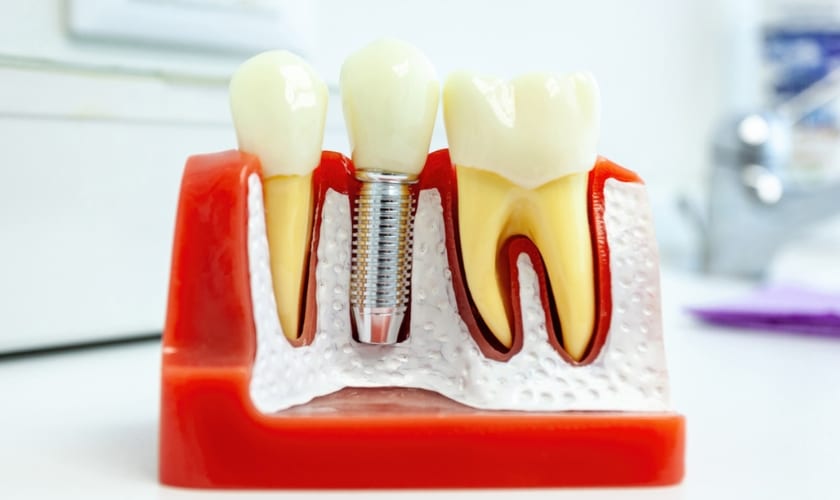
An entire implant has three significant parts: the fixture, abutment, and crown. Each part is created with an assigned purpose and works together to deliver strength and natural appearance. Being aware of this setup makes patients realize why dental implants in Carthage are still considered the gold standard.
The Fixture (Implant Post)
The fixture, or implant post, is the central part of implants in the jawbone. Made from titanium or zirconia, it provides unmatched strength and biocompatibility. This post acts as the artificial root and supports the replacement tooth firmly.
Robust fixtures in implants prevent bone loss due to natural jawbone activity being stimulated. This stability provides long-term comfort, with chewing ability and general facial shape maintained effectively.
The Abutment
The abutment affixes the implant fixture to the exposed crown in a seamless format. It maintains implant functionality and naturally integrates with existing teeth.
Abutments exist in straight, angled, and custom structures to take care of varied patient needs. This connector provides durability, securely holding the crown for years to come. Without abutment, dental implants could not serve as long-term, dependable units.
The Crown (Prosthetic Tooth)
The crown is the exposed, natural-colored component of implants. It maintains appearance but allows for comfortable chewing and easy speech every day.
Dental implants often consist of crowns made from porcelain, ceramic, or zirconia. These materials mimic enamel and offer strength and natural aesthetic beauty to every smile. Crowns are the finishing touch for dental implants and unite form and function together perfectly for patients.
Supporting Components in Implant Success
Implants consist of more than fixtures, abutments, and crowns alone. Healing caps seal implants during the critical healing process after surgery.
Osseointegration, implant, and bone bonding provide rigid stability. Soft tissue and gum health maintain the support structures for implants. These support factors combined provide lasting implant dependability.
Why Anatomy of Dental Implants Is Important to Learn
Patient education about dental implants in Carthage provides respect for existing technology. It promises patients accuracy in each successful procedure.
Understanding breeds confidence and reduces anxiety before treatment. Implants provide function, confidence, and health when well-known. Regular maintenance keeps implants in place and provides many years of success.
Dental implants are comprised of fixtures, abutments, and crowns functioning together. Each plays a part in restoring health, appearance, and confidence.
Appreciation for these roles emphasizes the sophisticated science of implants. Talk to our dental professionals today to learn if dental implants are right for you.