
Many patients in Carthage ask the same question: do dental implants really last a lifetime? It is one of the most common concerns Dr. Zeeshan Salam hears at Long Falls Dentistry. The short answer is yes — but with an important condition. How long your implants last depends largely on how well you care for them. This guide will walk you through what the research says, what shortens implant lifespan, and what you can do to protect your investment for decades to come.
How Long Do Dental Implants Actually Last in Carthage?
Studies show that dental implants have a success rate of over 95% at the ten-year mark. Many implants continue functioning well beyond 20 or even 30 years. This makes them one of the most durable tooth replacement options available today.
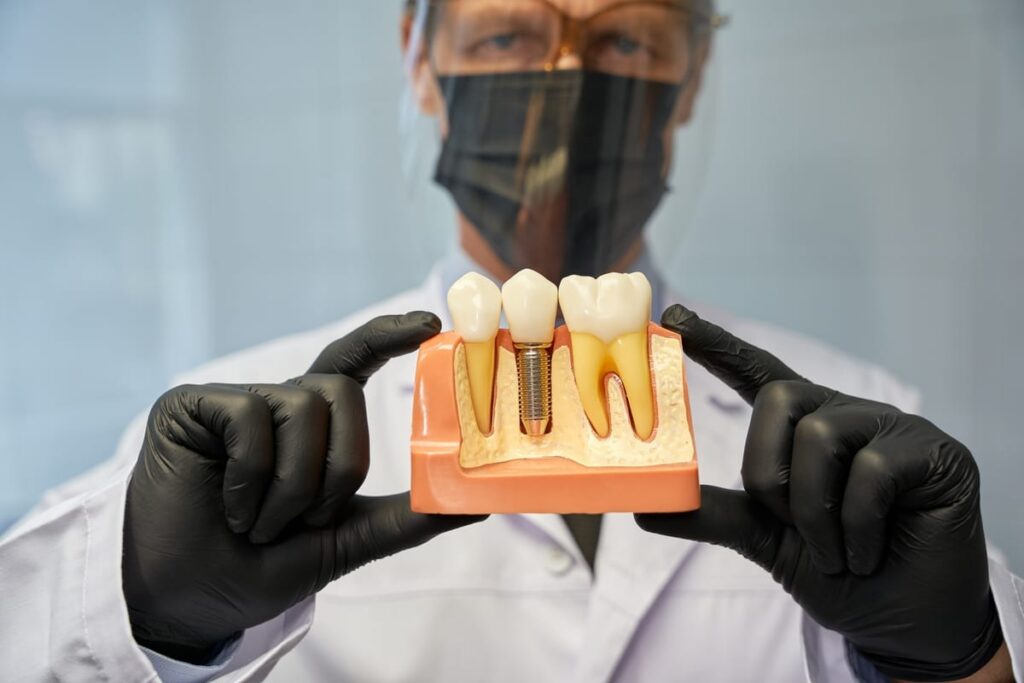
The implant itself — the titanium post placed in your jawbone — is designed to be permanent. It fuses with the bone through a process called osseointegration. Once that bond forms, the post can remain stable for a lifetime.
The crown attached to the implant is a different story. Crowns typically last 10 to 15 years before they need replacing. Biting forces, grinding habits, and material quality all affect crown longevity. The good news is that replacing a crown does not mean replacing the entire implant.
Factors That Can Shorten Implant Lifespan
Not every patient gets decades of trouble-free use from their implants. Several factors can cause implants to fail early or wear out faster than expected. Understanding these risks helps you take steps to avoid them.
Here are the most common factors that reduce implant longevity:
- Poor oral hygiene: Bacteria buildup causes peri-implantitis, a gum infection that destroys bone around the implant.
- Smoking: Tobacco restricts blood flow and slows healing, significantly increasing failure rates.
- Teeth grinding (bruxism): Chronic grinding puts excessive pressure on implants and can crack crowns.
- Uncontrolled diabetes: High blood sugar impairs healing and increases infection risk.
- Bone loss: Insufficient jawbone density makes it harder for implants to integrate securely.
- Skipping dental visits: Without regular monitoring, small problems grow into costly failures.
Dr. Salam evaluates each of these risk factors before recommending implants. Addressing them early gives patients in Carthage the best possible outcome.
What You Can Do to Make Dental Implants Last a Lifetime
The majority of implant failures are preventable. Daily habits and regular professional care make a measurable difference. Think of implant maintenance like maintaining a car — consistent attention keeps everything running smoothly.
Follow these proven steps to extend the life of your dental implants:
- Brush twice daily using a soft-bristle toothbrush around the implant site.
- Floss daily or use an interdental brush to clean hard-to-reach areas near the implant.
- Rinse with an antibacterial mouthwash to reduce harmful bacteria levels in your mouth.
- Avoid chewing ice, hard candy, or extremely sticky foods that stress the crown.
- Wear a night guard if you grind your teeth while sleeping.
- Visit Long Falls Dentistry every six months for professional cleanings and implant checks.
These habits are simple but powerful. Patients who commit to them routinely enjoy implants that function beautifully for 20 years or more.
How Surrounding Teeth and Gum Health Affect Implant Success
Your implants do not exist in isolation. The health of your surrounding teeth and gums directly affects how long implants last. Gum disease is one of the leading causes of implant failure in otherwise healthy patients.
If you have been told you need a Root Canal Carthage on a nearby tooth, addressing it promptly protects the bone and tissue that support your implant. Infection from an untreated tooth can spread and compromise the entire area. Treating problems early is always better than waiting.
Patients who also use Invisalign Carthage to correct misaligned teeth often see better implant outcomes. Proper alignment distributes biting forces more evenly. This reduces the stress placed on any single implant or crown.
Keeping all your teeth and gums healthy creates a stable environment for implants to thrive. Dr. Salam looks at your entire oral health picture — not just the implant site — during every evaluation at Long Falls Dentistry.
When to Talk to Dr. Salam About Implant Concerns
Even well-placed implants can occasionally show warning signs. Catching these signs early prevents minor issues from becoming major problems. Do not wait for pain to become severe before reaching out.
Contact Long Falls Dentistry if you notice any of the following:
- Swelling, redness, or bleeding around the implant
- The implant crown feels loose or wobbly
- Pain or discomfort when biting down
- Visible changes in the gum tissue near the implant
- A clicking or shifting sensation you did not have before
These symptoms do not always mean the implant is failing. But they do mean a professional evaluation is needed right away. Dr. Salam and the team at Long Falls Dentistry are here to help Carthage patients protect their smiles at every stage.
Conclusion: Long-Lasting Implants Start with the Right Care
So, do dental implants really last a lifetime in Carthage? For most healthy patients who follow good oral hygiene and attend regular checkups, the answer is genuinely yes. The titanium post can last a lifetime. The crown may need eventual replacement, but the foundation remains strong. Your habits, your health, and your dental team all play a role. Long Falls Dentistry is committed to helping every patient in Carthage get the most from their implants — starting from day one. Book Now to schedule your appointment with our team.
Frequently Asked Questions
How long do dental implants last on average?
The titanium implant post can last a lifetime with proper care. The crown attached to it typically lasts 10 to 15 years before needing replacement. Overall, most patients enjoy 20 or more years of reliable function from their implants.
Can a dental implant fail after many years?
Yes, late implant failure can occur, though it is uncommon. It is usually caused by gum disease, bone loss, or significant physical trauma. Regular dental visits help detect early warning signs before failure occurs.
Does smoking affect how long dental implants last?
Smoking significantly reduces implant success rates. It restricts blood flow, slows healing after placement, and increases the risk of infection. Quitting smoking before and after implant surgery greatly improves long-term outcomes.
Do I need special tools to clean around dental implants?
Standard brushing and flossing work well for most patients. Interdental brushes, water flossers, and low-abrasive toothpaste can also help. Dr. Salam will recommend the right tools based on your specific implant placement.
Is it normal for the implant crown to need replacement?
Yes, crown replacement is a normal part of implant ownership. Crowns experience daily wear from chewing, which eventually requires a new one. The implant post beneath it usually remains intact and does not need replacing at the same time.