
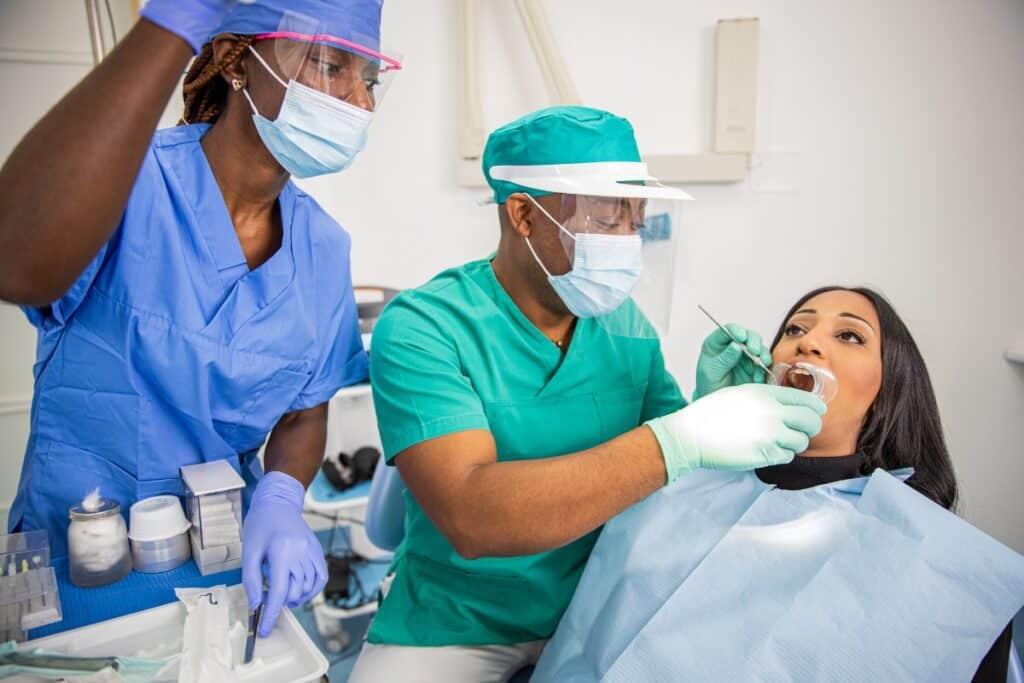
Tooth sensitivity is a frustrating problem for many of us and can cause pain when we consume hot or cold, sweet or acidic foods. It is not just a simple problem; tooth sensitivity can also indicate an underlying issue. We may have often felt sudden pain in our teeth while drinking a cold drink or after consuming something too hot. Tooth sensitivity is very common and can occur at any age.
There are various factors that may cause tooth sensitivity. However, understanding the causes of tooth sensitivity will help you manage it effectively. It is vital that you are familiar with the causes of tooth sensitivity, so you can take appropriate measures to prevent or treat it.
Common Causes of Tooth Sensitivity
Tooth sensitivity can be caused by a range of factors, each affecting the teeth and gums differently. Below are the most common causes of tooth sensitivity and how they affect your teeth and gums.
1. Worn Enamel
The outer layer of your teeth is called enamel, and it can be considered a protective armor for your teeth. The enamel may deteriorate over time due to several factors, such as hard brushing or the consumption of acidic foods and drinks. Once this enamel is destroyed, the sensitive inner part of the teeth, called dentin, is exposed.
2. Gum Recession
If your gums recede from your teeth, the roots will be exposed. This is another reason to visit the dentist in Carthage, NY, regularly. Unlike the crown of the tooth, which has enamel to protect against changes in temperature, certain foods, and touch, the root has no enamel. It may recede due to periodontal disease, brushing too hard, or age.
3. Tooth Decay and Cavities
If sensitivity is limited to one area, it may indicate a cavity or decay. Cavities result in holes in the enamel. These holes may expose the dentin, hence sensitivity when subjected to external agents.
4. Cracked Teeth or Fillings
Additionally, a crack in a tooth or a loose dental filling may lead to further exposure of the tooth’s internal parts, causing sensitivity. This occurs because a crack in a tooth allows stimuli, such as cold air and food, to reach the tooth’s nerves.
5. Dental Procedures
Sometimes, teeth may become temporarily sensitive after certain dental procedures, such as teeth whitening, fillings, and cleanings. The good news, however, is that this kind of tooth sensitivity usually wears off in a short time.
6. Bruxism or Teeth Grinding
Grinding your teeth in your sleep or under pressure can damage tooth enamel, making your teeth more sensitive. Teeth can also crack or chip due to bruxism, which can increase tooth sensitivity.
How Dr. Salam at Long Falls Dentistry Can Help
Dr. Salam at Long Falls Dentistry is aware of the discomfort that often accompanies tooth sensitivity. Therefore, Dr. Salam offers various tooth sensitivity treatment options to help customize procedures to meet your needs. Dr. Salam can determine the cause of your tooth sensitivity by talking with you about the discomfort you are experiencing.
1. Desensitizing Treatments
For someone with mild sensitivity, desensitizing treatments such as fluoride varnishes or specialized toothpaste may be very effective. This treatment helps harden the enamel and block the nerves inside the teeth.
2. Gum Grafting for Gum Recession
If gum recession is contributing to sensitivity, gum grafting is recommended to cover the affected areas and prevent further damage to your teeth.
3. Dental Fillings or Crowns
If cavities or cracks are causing the sensitivity, Dr. Salam may recommend fillings or crowns. This would help prevent discomfort caused by external factors.
4. Custom Night Guards for Teeth Grinding
Therefore, if you suspect that bruxism is causing your teeth to be sensitive, then you should consider getting a night guard. By wearing a night guard while you sleep, you can shield your teeth from further damage caused by bruxism.
5. Regular Cleanings and Preventive Care
Routine dental care may also be one of the best ways to address sensitivity. Dr. Salam will perform a dental cleaning to remove any plaque and tartar that may have formed. This will ultimately reduce the possibility of tooth decay. Preventive care will have a profound effect on reducing your risk of tooth sensitivity.
6. Advanced Diagnostics
If you have sensitive teeth as a side effect of another underlying condition, such as nerve damage or infection, Dr. Salam may also suggest diagnostic procedures, such as X-rays, to better understand what is happening beneath the surface of your teeth. Then, only a proper treatment plan will be drawn up to address the issue.
Find Long-Term Comfort for Your Sensitive Teeth
While tooth sensitivity can be inconvenient, the good news is that with the right care, it does not have to be an ongoing problem. When you are experiencing tooth sensitivity in Carthage, NY, Dr. Salam and the whole team at Long Falls Dentistry are ready to assist you.
If you are ready to take that first step towards a more comfortable, pain-free smile, call us today to schedule an appointment with Dr. Salam. Our team is here to support you through this process, ensuring that you have the best possible oral health.
Questions People Ask About Tooth Sensitivity
1. What causes tooth sensitivity?
Tooth sensitivity occurs when the inner layers of your tooth become exposed, usually due to worn enamel or gum recession. It can also be caused by cavities, cracks, or tooth grinding.
2. Can sensitive teeth be treated?
Yes, sensitive teeth can be treated with a variety of solutions, including fluoride treatments, desensitizing toothpaste, and, in some cases, dental fillings or crowns to restore the tooth.
3. Is tooth sensitivity a sign of a serious problem?
Tooth sensitivity can indicate an underlying issue, such as tooth decay, gum recession, or a cracked tooth. It’s important to visit a dentist to identify the cause and prevent further damage.
4. How can I prevent tooth sensitivity?
To prevent tooth sensitivity, practice good oral hygiene, avoid aggressive brushing, and limit acidic foods and drinks. Regular dental check-ups are also key to preventing sensitivity from worsening.