
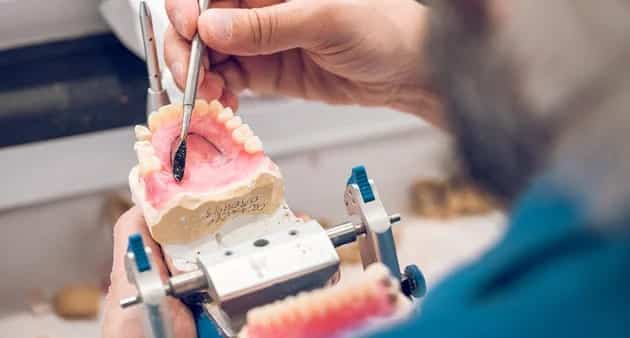
Losing a tooth — or several teeth — is a turning point. It forces a real decision: dentures or implants? For patients in Carthage, NY, this choice goes far beyond appearance. It directly affects your jaw bone health, your daily comfort, and your quality of life for years to come. Understanding the difference between Dentures vs. Implants: Which Preserves Your Jaw Bone Long-Term in Carthage is the first step toward making a confident, informed decision. At Long Falls Dentistry, Dr. Zeeshan Salam helps patients weigh these options honestly and compassionately.
Why Jaw Bone Health Matters After Tooth Loss
Most people focus on the visible gap left by a missing tooth. But the real problem starts beneath the gum line. Your jaw bone needs constant stimulation from tooth roots to maintain its density. When a tooth is lost, that stimulation disappears almost immediately.
Without stimulation, your body begins to reabsorb the bone tissue. This process is called bone resorption. It starts within the first few months after tooth loss. Over time, significant bone volume is lost — sometimes changing the shape of your face.
This is the core issue when comparing dentures and implants. One option addresses bone loss directly. The other does not. Understanding this difference will clarify why so many patients ultimately choose implants for long-term oral health.
Dentures vs. Implants: How Each Option Affects Jaw Bone in Carthage
Dentures are removable appliances that sit on top of the gum tissue. They restore the look and some function of missing teeth. However, they apply pressure to the gums — not to the bone beneath. This means dentures do not stimulate the jaw bone at all.
Over time, bone resorption continues under dentures. As the bone shrinks, the denture fit changes. Patients often need relines or replacements every few years. The changing bone structure can also cause a sunken facial appearance over time.
Dental Implants Carthage work very differently. A titanium post is placed directly into the jaw bone. It fuses with the bone through a process called osseointegration. This fusion mimics the role of a natural tooth root — stimulating bone and preventing resorption.
Implants are the only tooth replacement option that actively preserves jaw bone density. This is their most significant long-term advantage over dentures. For many patients in Carthage, that distinction changes everything.
Comparing Cost, Function, and Long-Term Quality of Life
Cost is often the first concern patients raise. Dentures have a lower upfront cost than implants. This makes them appealing for patients focused on immediate affordability. However, the long-term picture looks different when all factors are considered.
Dentures require ongoing maintenance. They need adhesives, cleanings, periodic relines, and eventual replacement. These costs add up significantly over a decade. Implants have higher initial costs but typically require far less ongoing expense.
Here is a side-by-side comparison of both options:
- Dentures: Lower upfront cost, removable, require adhesives, need periodic relines, do not preserve bone
- Dental Implants: Higher upfront cost, permanent, no adhesives needed, preserve jaw bone, function like natural teeth
- Dentures: May shift during eating or speaking, can cause discomfort over time
- Dental Implants: Stable and secure, allow confident eating and speaking
- Dentures: Bone continues to resorb, changing fit over time
- Dental Implants: Bone is preserved, maintaining facial structure long-term
Function is another major differentiator. Implants feel and perform like natural teeth. Patients can eat, speak, and smile without worry. Dentures, while functional, come with limitations — certain foods remain difficult, and slipping can be socially uncomfortable.
Quality of life improvements with implants are well-documented. Patients report greater confidence, better nutrition from unrestricted food choices, and less daily maintenance. For many Carthage residents, this long-term comfort justifies the investment.
What the Implant Process Looks Like at Long Falls Dentistry
Dr. Zeeshan Salam takes a thorough, patient-first approach to implant treatment. The process involves several key steps, but each is manageable and well-supported. Here is what patients can generally expect:
- Consultation and Evaluation: Dr. Salam reviews your dental and bone health using X-rays and imaging to determine implant candidacy.
- Implant Placement: A titanium post is surgically placed into the jaw bone during a routine outpatient procedure.
- Healing Period: The bone fuses with the implant over several months in a natural integration process.
- Restoration Placement: A custom crown, bridge, or denture is attached to the implant for a natural, finished result.
For patients replacing multiple teeth, Dental Implant Restorations Carthage offer a comprehensive solution. These restorations combine implant stability with lifelike aesthetics. They are an excellent option for patients who want full-arch replacement without the drawbacks of traditional dentures.
Dr. Salam prioritizes open communication throughout the process. He explains every step clearly so patients feel prepared and comfortable. Long Falls Dentistry is committed to making implant care accessible and understandable for the Carthage community.
Who Is a Good Candidate for Implants — and When Dentures May Still Make Sense
Implants are not the right fit for every patient. Certain health conditions or insufficient bone volume may affect candidacy. Patients with well-managed health conditions and adequate jaw bone density are typically excellent candidates.
For some patients, dentures remain a practical and reasonable choice. This may include those who are not surgical candidates, or those who prefer a non-invasive solution. Dr. Salam always recommends what is genuinely best for each individual patient.
It is also worth noting that bone grafting can sometimes restore lost bone volume. This can make implants possible for patients who were initially told they lacked sufficient bone. A thorough consultation is the only way to know your full range of options.
The honest answer is this: implants preserve bone better than any other option. But the best choice is always the one that fits your health, goals, and circumstances. Dr. Salam will help you find that answer.
Making the Right Choice for Your Long-Term Oral Health in Carthage
Choosing between dentures and implants is one of the most important dental decisions you will make. Both options restore your smile in different ways. But only implants address the underlying issue of jaw bone preservation.
Patients in Carthage, NY deserve honest, expert guidance on this decision. Long Falls Dentistry offers that guidance without pressure. Dr. Zeeshan Salam focuses on education first — helping you understand your options fully before any treatment begins.
Your long-term oral health, facial structure, and daily confidence are worth protecting. Taking the time to explore the right solution now pays dividends for years ahead. Book Now to schedule your appointment with our team.
Frequently Asked Questions
Do dentures cause jaw bone loss over time?
Yes. Dentures rest on the gum surface and do not stimulate the jaw bone beneath. Without stimulation, the bone gradually resorbs. This can cause changes in facial appearance and affect denture fit over time.
How do dental implants preserve jaw bone?
Implants are titanium posts placed directly into the jaw bone. They fuse with the bone through osseointegration — a natural process that mimics the role of a tooth root. This ongoing stimulation prevents bone resorption and maintains bone density long-term.
Are dental implants painful to get?
Most patients are surprised by how manageable the implant procedure is. Local anesthesia is used during the placement, and any post-procedure soreness is typically mild. Dr. Salam discusses comfort options with every patient before treatment begins.
How long do dental implants last compared to dentures?
With proper care, dental implants can last a lifetime. The implant post itself is designed to be permanent. Dentures, by contrast, typically need to be relined or replaced every five to ten years as the jaw bone changes shape beneath them.
Can I get implants if I have been wearing dentures for years?
It depends on how much bone remains. Long-term denture wear can lead to significant bone loss. However, bone grafting may restore enough volume to support implants. Dr. Salam evaluates each patient individually and discusses all available options.