
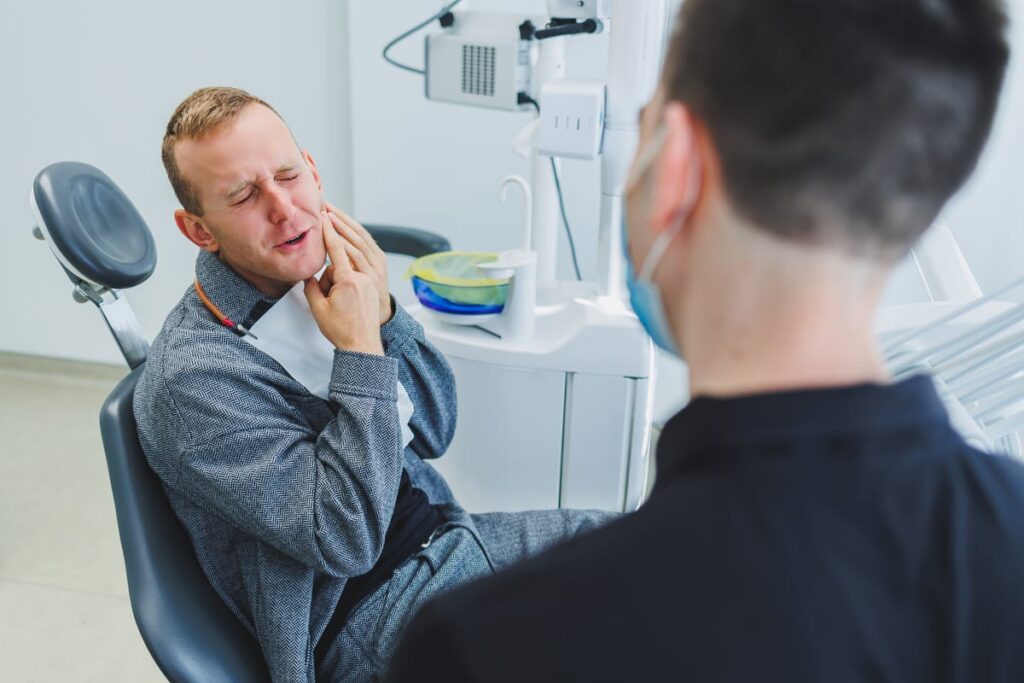
A toothache that won’t quit is never just a toothache. Dental abscess pain in Carthage is something Dr. Zeeshan Salam and the team at Long Falls Dentistry treat as a true emergency. Understanding why ignoring it can become life-threatening is the first step toward protecting your health. This article explains what a dental abscess is, how to spot one, and what to do right away.
What Is a Dental Abscess and Why Does It Hurt So Much?
A dental abscess is a pocket of infection filled with pus. It forms at the root of a tooth or in the surrounding gum tissue. Bacteria enter through a cracked tooth, a deep cavity, or damaged gum tissue.
The pain is intense because the infection is under pressure. Nerves in the area become irritated and inflamed. Many patients describe a throbbing, constant ache that worsens when they lie down.
The infection does not resolve on its own. It grows. Without treatment, the bacteria spread beyond the tooth — and that is when things become dangerous.
Warning Signs You Should Never Ignore in Carthage
Knowing the warning signs can save your life. Many patients in Carthage wait too long because they hope the pain will pass. It rarely does without professional care.
Watch closely for these symptoms:
- Severe, throbbing toothache that does not let up
- Swelling in your jaw, cheek, or neck
- Fever and chills
- Difficulty swallowing or breathing
- A foul taste in your mouth from draining pus
- Swollen, tender lymph nodes under your jaw
Swelling in the neck or difficulty breathing is a medical emergency. Go to the emergency room immediately if those symptoms appear. Afterward, follow up with Dr. Salam for complete dental treatment.
How Dental Abscess Pain Can Become Life-Threatening
Most people think of a tooth infection as a minor problem. That assumption can be deadly. Dental abscess pain that goes untreated in Carthage can escalate into serious systemic infection.
Here is how the danger progresses:
- Local infection — Bacteria stay near the tooth root at first.
- Spreading cellulitis — Infection spreads into facial tissues and the jaw.
- Ludwig’s angina — A severe infection of the floor of the mouth that blocks airways.
- Sepsis — Bacteria enter the bloodstream and affect organs throughout the body.
- Brain abscess — In rare but documented cases, infection travels to the brain.
These complications are not hypothetical. They happen every year to patients who delayed care. Catching the abscess early is far safer — and far less costly to your health.
How Dr. Zeeshan Salam Treats a Dental Abscess
At Long Falls Dentistry in Carthage, treatment focuses on eliminating the infection and saving the tooth when possible. Dr. Salam will first evaluate the severity of the abscess with an exam and X-rays.
Treatment options depend on how advanced the infection is. Common approaches include:
- Drainage — The abscess is opened and the pus is drained to relieve pressure.
- Antibiotics — Prescribed to fight the bacterial infection systemically.
- Root Canal Carthage — Performed to remove infected pulp tissue and save the natural tooth.
- Tooth extraction — Necessary when the tooth cannot be saved and must be removed.
After an extraction, Dr. Salam will discuss tooth replacement options with you. Many patients in Carthage explore dental implants or other restorations to restore their smile and bite function.
If you have been curious about straightening teeth after your oral health is restored, Invisalign Carthage is one option our team can discuss during a follow-up visit.
What You Can Do Right Now If You Suspect an Abscess
Do not wait for your next routine checkup. Contact Long Falls Dentistry as soon as possible if you notice any warning signs. Early intervention protects your tooth and your overall health.
While you wait for your appointment, you can take these steps to manage discomfort:
- Rinse gently with warm salt water several times a day
- Take over-the-counter pain relievers as directed on the label
- Avoid very hot or very cold foods and beverages
- Sleep with your head elevated to reduce throbbing
These steps do not treat the infection. They only help you stay more comfortable until you receive professional care. Only a dentist can eliminate the source of the problem.
Preventing Dental Abscesses in the Future
Prevention is always easier than emergency treatment. Regular dental visits allow Dr. Salam to catch problems before they become abscesses. Twice-yearly cleanings and exams are your best defense.
Daily habits matter too. Brush twice a day with fluoride toothpaste. Floss every day to remove bacteria between teeth. Address cavities promptly — small cavities become big infections when ignored.
Staying proactive about your oral health in Carthage protects your teeth and your life. Long Falls Dentistry is here to help every step of the way.
Conclusion: Do Not Wait — Your Health Depends on It
A dental abscess is not something to push to the back of your mind. Dental abscess pain that goes untreated in Carthage can escalate from uncomfortable to life-threatening in a matter of days. Dr. Zeeshan Salam and the Long Falls Dentistry team provide compassionate, expert emergency dental care. Book Now to schedule your appointment with our team.
Frequently Asked Questions
How do I know if I have a dental abscess?
Common signs include a severe, throbbing toothache, swelling in your jaw or cheek, fever, and a persistent bad taste in your mouth. If you notice any of these symptoms, contact Long Falls Dentistry in Carthage right away for an evaluation.
Can a dental abscess go away on its own?
No. A dental abscess will not resolve without professional treatment. Even if the pain temporarily subsides, the infection remains and continues to spread. Waiting makes treatment more complex and the health risks far greater.
Is a dental abscess a dental emergency?
Yes, it is. A dental abscess is a serious dental emergency, especially when swelling extends to the neck or you experience difficulty breathing or swallowing. Seek emergency care immediately in those cases and follow up with Dr. Salam for full dental treatment.
What happens during a root canal for an abscessed tooth?
Dr. Salam removes the infected pulp tissue from inside the tooth, cleans the root canals thoroughly, and seals the tooth to prevent re-infection. A crown is typically placed afterward to protect the tooth and restore full function.
How long does recovery take after abscess treatment?
Recovery time depends on the severity of the infection and the treatment performed. Most patients feel significant relief within a few days after drainage and antibiotics. Full recovery after a root canal or extraction may take one to two weeks.